Facts You Ought To Know Concerning Concrete Progressing: A Comprehensive Overview to Solutions
Concrete leveling is an essential solution that deals with the concerns of unequal or sunken concrete surface areas. It plays a significant role in maintaining security and enhancing the overall look of buildings. Understanding its necessity, determining usual indicators that show a requirement for leveling, and discovering various methods can supply valuable insights. As property owners consider their options, knowing what to expect from expert services is crucial for informed decision-making.
Recognizing Concrete Progressing: What It Is and Why It Matters
Concrete leveling, also called slab leveling or mudjacking, is a necessary process in the repair and maintenance of concrete surfaces. This method entails elevating unequal or sunken concrete slabs to restore their original setting and performance. It is typically used in domestic, business, and industrial settings where concrete surfaces such as floors, walkways, and driveways have settled or become misaligned because of soil disintegration, temperature level, or dampness changes.
The importance of concrete progressing exists in its ability to improve security and aesthetics. Irregular surfaces can posture risks such as tripping risks and can lead to water merging, which might trigger additional damages. By resolving these concerns, concrete leveling expands the life-span of concrete setups and decreases the requirement for full replacement, conserving time and costs. Overall, recognizing concrete leveling is essential for house owners and home supervisors seeking to maintain the stability and appearance of their concrete surfaces.
Common Signs That Your Concrete Requirements Leveling
Identifying the signs that indicate concrete needs progressing is vital for keeping security and performance. Among the most evident indicators is visible cracks or spaces in the surface. These crevices can establish because of resolving or moving soil underneath the concrete. An additional indicator is irregular surfaces, which might cause tripping dangers and make strolling challenging. Water merging in specific locations can likewise signify that the concrete has actually cleared up unevenly, obstructing correct drainage. In addition, windows and doors might become misaligned or tough to open up, recommending that the foundation has actually changed. Sunken locations, specifically around walkways or driveways, can further show the requirement for progressing. concrete leveling Des Moines. Finally, consistent noise when walking on the surface might recommend that it is no longer stable. Recognizing these indications early can stop extra comprehensive damage and costly fixings in the future
Benefits of Concrete Progressing for Your Home
When house owners prioritize the stability of their building, they usually discover that leveling concrete offers countless advantages. One significant advantage is boosted safety and security. Uneven concrete surface areas can posture tripping risks, specifically for youngsters and elderly homeowners. By dealing with these issues, homeowners can create a more secure environment.
Concrete leveling can boost the visual allure of a building. Degree surfaces add to an extra refined and welcoming appearance, which can positively affect home value. Furthermore, it avoids water buildup, lowering the risk of architectural damage and pricey repair work from water-related issues.
Leveling concrete additionally facilitates simpler maintenance, as it permits better drainage and prevents the development of cracks. This proactive approach can save house owners cash over time (polyjacking services). Eventually, purchasing concrete leveling not just boosts safety and aesthetic appeals yet additionally promotes long-term residential or commercial property worth and upkeep performance
Different Strategies for Concrete Leveling
Concrete progressing can be attained with numerous techniques, each with its unique approach and advantages. The mudjacking procedure, polyurethane foam shot, and using self-leveling compounds are amongst the most common methods used. Understanding these techniques is vital for picking the right strategy for certain leveling requirements.
Mudjacking Process Explained

Polyurethane Foam Shot
Polyurethane foam injection has emerged as an ingenious option to traditional mudjacking for concrete progressing. This method uses high-density polyurethane foam that expands upon injection below the concrete piece, properly raising and maintaining it. The process starts with drilling little openings right into the impacted concrete locations, complied with by the insertion of a nozzle via which the foam is infused. As the foam expands, it loads spaces and raises the piece, providing a sturdy option that withstands water infiltration and erosion. In addition, polyurethane foam injection is lightweight, minimizing the risk of adding extra stress to the underlying dirt. The quick healing time additional enhances its allure, allowing for faster project completion and minimal disturbance to bordering locations.
Self-Leveling Substance Usage
When looking for to accomplish a smooth and degree surface area, self-leveling substances offer a functional service for numerous concrete applications. These substances are usually cement-based and created to stream freely to load reduced places in existing concrete slabs. The application process includes preparing the surface area, blending the substance according to producer guidelines, and pouring it onto the flooring - poly lifting Iowa. As soon as used, the compound self-levels as it cures, developing an even surface. Methods for efficient use include ensuring appropriate substratum prep work, managing ambient temperature level, and using tools like a scale rake to assist in dispersing. Furthermore, self-leveling substances can be utilized as underlayment for floor covering systems, making them flexible in both property and industrial projects
Variables to Take Into Consideration When Hiring a Concrete Leveling Expert
When employing a concrete progressing professional, it is vital to examine their experience and know-how in the area. Additionally, recognizing the devices and techniques they use can considerably impact the top quality of the work. Reviewing these factors will help assure a successful leveling task.
Experience and Expertise
Choosing the best concrete progressing professional depend upon their experience and proficiency in the area. An experienced contractor will certainly possess a thorough understanding of various leveling techniques, enabling them to choose the most effective approach for details circumstances. Experience often converts into familiarity with local regulations and requirements, making sure compliance during the project. Furthermore, a specialist can quickly identify underlying issues that might not be right away evident, stopping future troubles. When evaluating prospective candidates, it is vital to assess their portfolio and seek client endorsements, as these mirror their reliability and high quality of work. Eventually, hiring an expert with a tested record in concrete progressing greatly enhances the possibility of accomplishing acceptable and enduring outcomes.
Tools and Methods
A specialist's choice of tools and methods plays a considerable role in the efficiency of concrete progressing tasks. Advanced techniques, such as polyurethane foam shot, offer effective and fast results, while typical mudjacking may be preferable for bigger areas. When employing a concrete leveling professional, customers need to examine the contractor's experience with different technologies and their ability to pick the suitable method for specific problems. Furthermore, the quality and maintenance of the equipment used can greatly impact the end result. It is additionally critical to ask about the strategies used to minimize disturbance and ensure a successful leveling process. Inevitably, a knowledgeable contractor will incorporate the right tools and strategies to accomplish the ideal results for any kind of concrete surface.
Keeping Your Concrete After Leveling: Tips for Durability
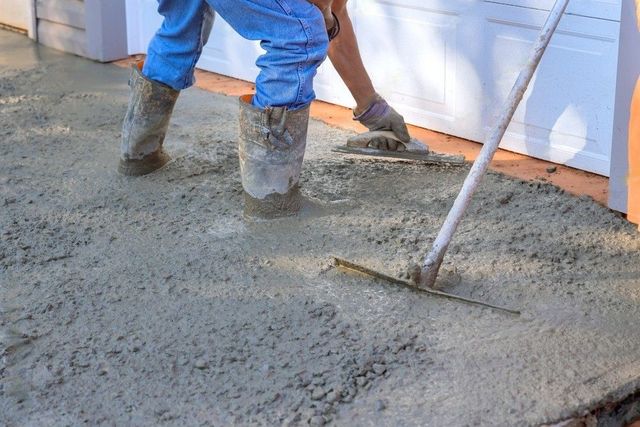
Appropriate maintenance is important for guaranteeing the longevity of freshly leveled concrete surface areas. To achieve this, home owners must adhere to numerous essential methods. It is essential to permit ample healing time after leveling; usually, this can vary from a few days to a week, depending on weather condition conditions. Throughout this period, keeping the surface area moist can help prevent fracturing.
Routine cleansing is also important; utilizing a mop or stress washer eliminates debris and avoids staining. It is recommended to secure the concrete every few years to shield it from water infiltration and chemical damage.
Furthermore, avoiding heavy website traffic and sharp items on the surface area for the very first few weeks will certainly lessen tension. Resolving any kind of fractures or irregular locations without delay will avoid extra extensive damage source in the future. By adhering to these upkeep ideas, homeowners can extend the life expectancy of their leveled concrete surface areas substantially.
Regularly Asked Questions
How Much Time Does Concrete Progressing Typically Take to Complete?
Concrete progressing typically takes a couple of hours to a day, depending upon the area being addressed and the methods made use of. Factors such as weather condition problems and the extent of the progressing required likewise affect conclusion time.
Is Concrete Leveling a DIY Job or Finest Delegated Professionals?
Concrete leveling is usually best delegated specialists, as the procedure calls for specific equipment and know-how. DIY attempts may bring about insufficient results, prospective safety and security threats, and more damage to the concrete structure.
What Is the Average Expense of Concrete Leveling Solutions?
The average price of concrete progressing solutions usually varies from $3 to $25 per square foot, relying on factors such as the extent of progressing required, materials utilized, and local rates variations in the construction industry.
Can Weather Condition Conditions Affect the Concrete Progressing Refine?
Climate condition significantly influence the concrete progressing process. Extreme temperature levels, wetness levels, and rainfall can affect the materials' curing time and overall effectiveness, potentially causing compromised outcomes and needing changes to the leveling strategy.
How Quickly Can I Stroll on Leveled Concrete Surfaces?
Generally, one can walk on leveled concrete surface areas within 24 to two days after the leveling process. However, complete healing may take numerous weeks, so it's advisable to comply with details standards offered by the contractor.
Concrete leveling is an important solution that attends to the issues of sunken or unequal concrete surface areas. Concrete leveling, also understood as slab progressing or mudjacking, is a vital procedure in the maintenance and fixing of concrete surface areas. By addressing these concerns, concrete progressing extends the lifespan of concrete installments and reduces the requirement for complete replacement, saving time and prices. A contractor's selection of tools and methods plays a considerable duty in the effectiveness of concrete leveling projects. Typically, one can stroll on leveled concrete surface areas within 24 to 48 hours after the leveling process.